The
Real History
of Cape Random
Cape Random may have begun as the setting for the Random Passage series, but the place you explore today is very much grounded in real history. Rather than recreating one town, we interpret a composite outport—houses, work buildings, gardens, chapels, and paths arranged as they were in communities across the Bonavista Peninsula in the early 1800s.
Life
in the
19th Century
Daily life for early-1800s settlers was a constant balancing act between home and shore. Families lived in simple wooden dwellings; tended kitchen gardens and root cellars; salted and dried cod on flakes near the water. Everyone worked together, sharing tools, labour, and knowledge across the cove with anyone in need.
While church and school anchored community life for early inhabitants, their world was dictated by the seasons: preparation in spring, fishing in summer, making preserves in autumn, and repairing what you could while waiting out the harshness of winter. This is the world Cape Random interprets: a close-knit coastal economy shaped by courage, patience, and grit.
Resettled Communities
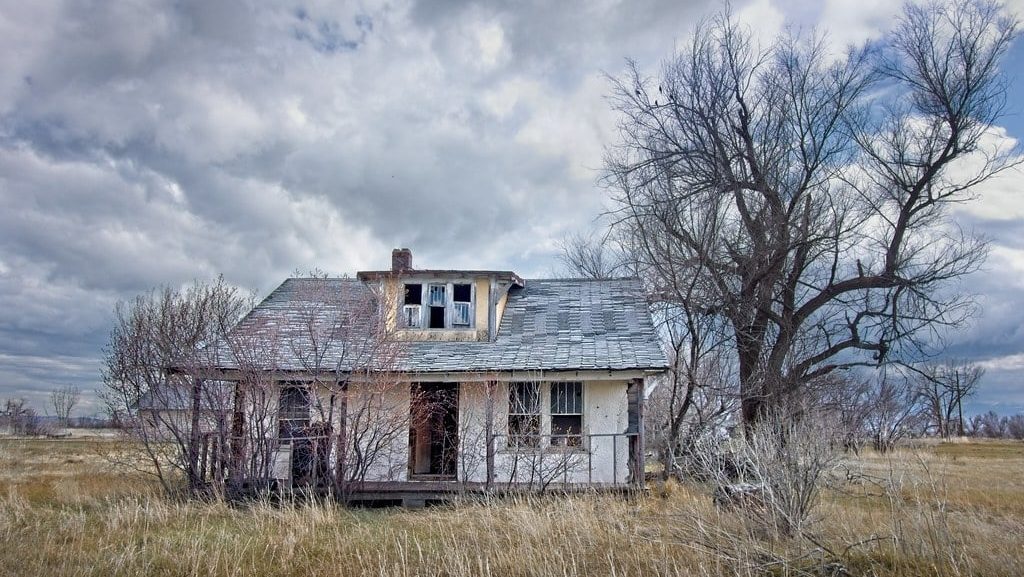
In the mid-20th century, many small coastal settlements in Newfoundland and Labrador were resettled. Programs encouraged households to move from isolated coves to larger centres so governments could provide schools, health care, roads, and jobs more efficiently. The result is a coastline dotted with “ghost” communities—places whose stories still live on in memory, trails, and foundations you can still see and visit today.
White Point
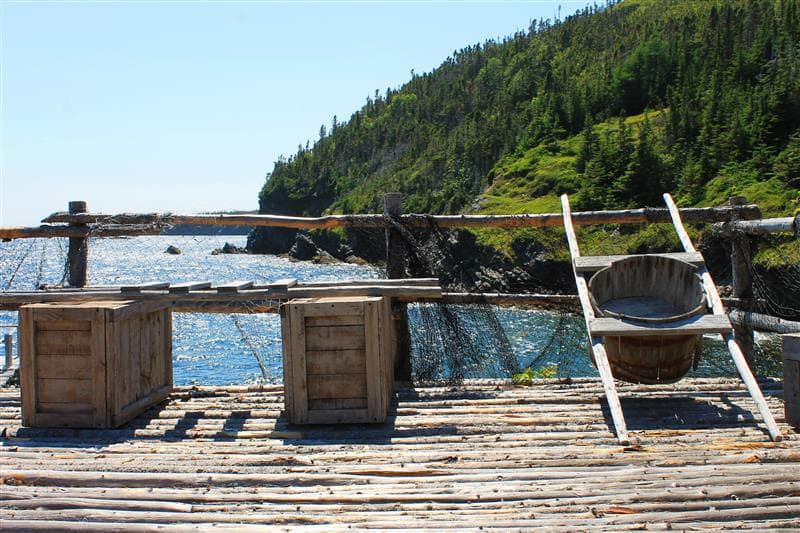
A short seaside walk from St. John’s Church in New Bonaventure leads you to White Point, once a small outport overlooking Trinity Bay. Today the headland is quiet, but traces of footpaths, root cellars, and shore work remain in the landscape. White Point’s story grounds our interpretation of Cape Random; as the location where the Random Passage set was built, the surrounding landforms mirror how real families organized home and work along the coast.
Deer Harbour
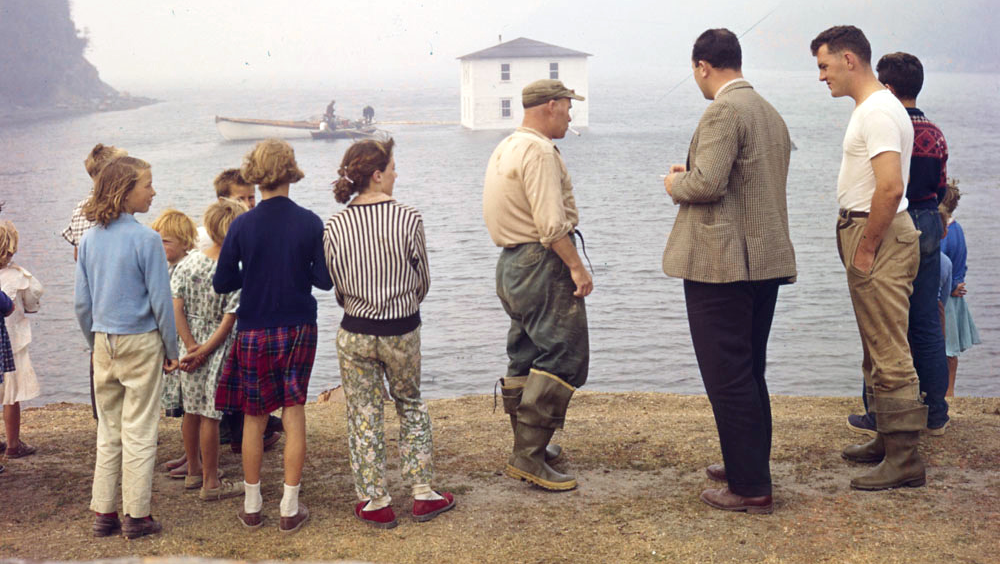
Deer Harbour sat on the east side of Random Island near Ireland’s Eye. Known for its secure, bowl-shaped harbour, the settlement supported inshore fishing, sawmilling, and boatbuilding. Without a road connection to the rest of Random Island, the community was abandoned after 1965 under the federal–provincial resettlement program. Its story reflects both the ingenuity of small places and the changes that reshaped Newfoundland in the 20th century.
British Harbour
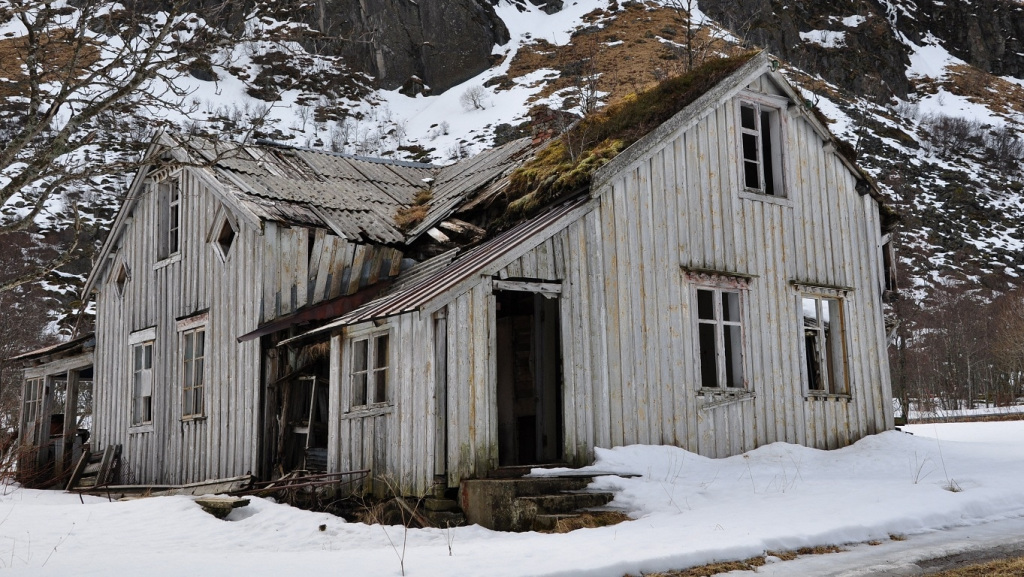
British Harbour lay on the north side of Trinity Bay, about 19 km southwest of Trinity. Residents worked the inshore and Labrador fisheries and built boats; the population peaked at 224 in 1901 and declined through the mid-1900s. The community was abandoned around 1969 under the resettlement program. Today, trails from New Bonaventure take you by garden plots and community remnants—quiet markers of the lives once lived here.
The Timeline
1800s:Settlement&Survival
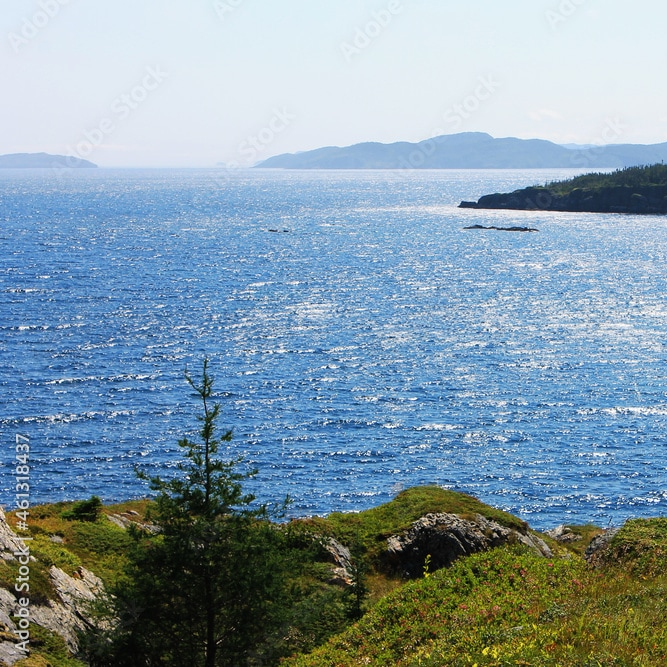
Drawn by the inshore cod fishery and sheltered landings, British, Irish, and French settlers established small close-knit communities along the coast. Households blended fishing with gardening, berrying, logging, and whatever was necessary for survival on the North Atlantic frontier.
Mid1900TheOutportWayofLife

By the mid-20th century, outport life was well established. Daily life was largely framed by faith, school, and manual labour. At the same time, shifting economies and government services pushed families toward larger centres, and many small communities were resettled.
1990s:Book&FilmRevival

The Random Passage novel re-introduced readers to this world, inspiring a television mini-series filmed on site. The production drew on local knowledge and period details to build a village that felt—and still feels—true to place.
Today:LivingHistoryExperience
Cape Random Trust stewards the site as a heritage destination for visitors from across the world. Guided tours, school programs, and community events connect visitors with the comings and goings of daily life in a 19th-century outport.

The Timeline
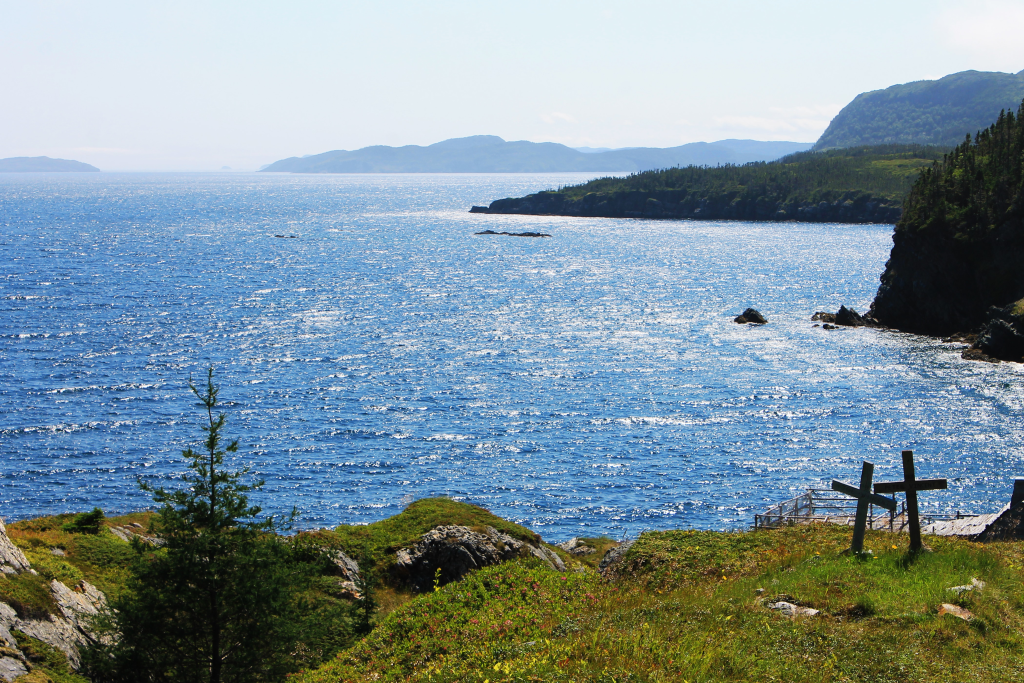
By the mid-20th century, outport life was well established. Daily life was largely framed by faith, school, and manual labour. At the same time, shifting economies and government services pushed families toward larger centres, and many small communities were resettled.
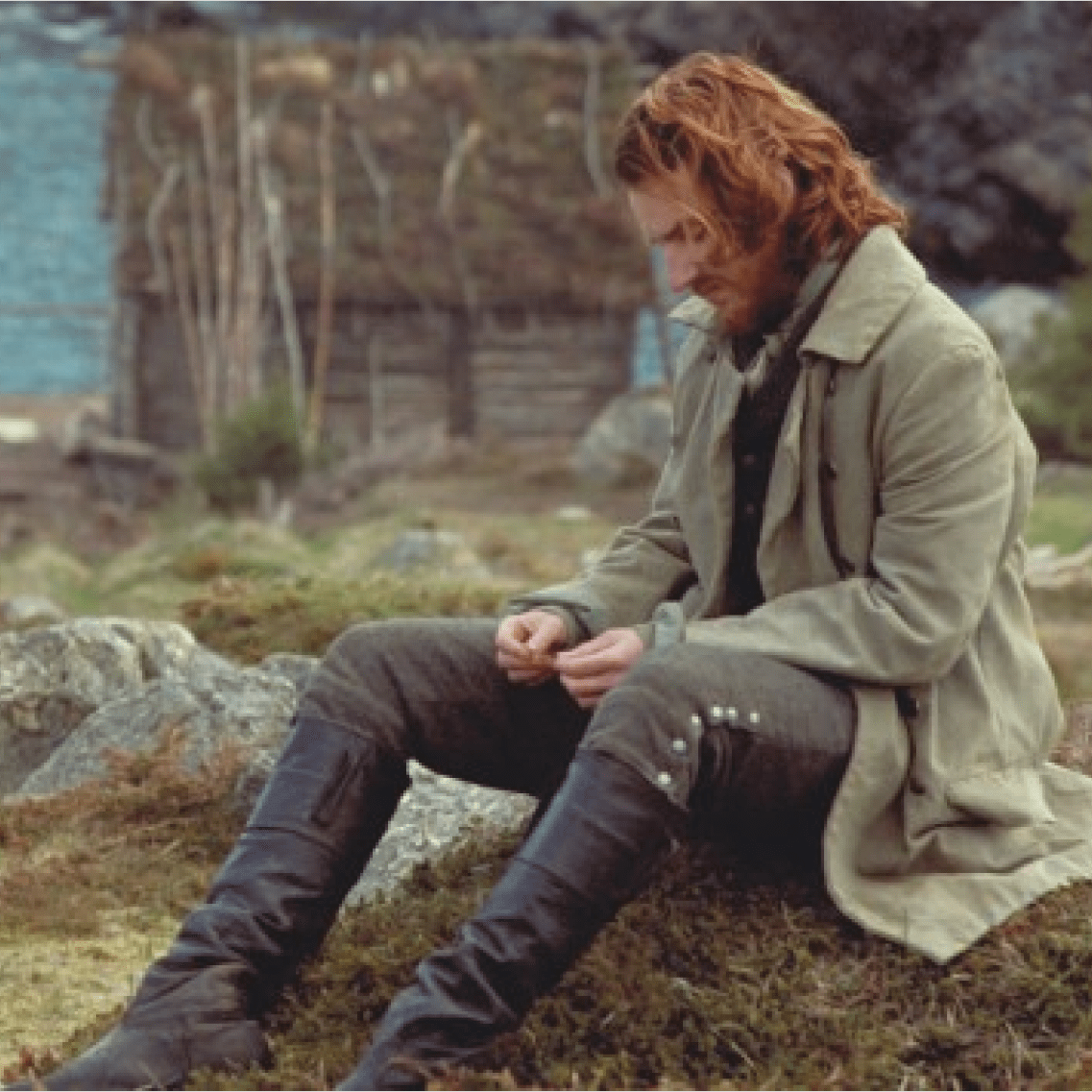
Cape Random Trust stewards the site as a heritage destination for visitors from across the world. Guided tours, school programs, and community events connect visitors with the comings and goings of daily life in a 19th-century outport.
1800s:
Settlement & Survival
Mid-1900s:
The Outport Way of Life
1990s:
Book & Film Revival
Today:
Living History Experience
Drawn by the inshore cod fishery and sheltered landings, British, Irish, and French settlers established small close-knit communities along the coast. Households blended fishing with gardening, berrying, logging, and whatever was necessary for survival on the North Atlantic frontier.
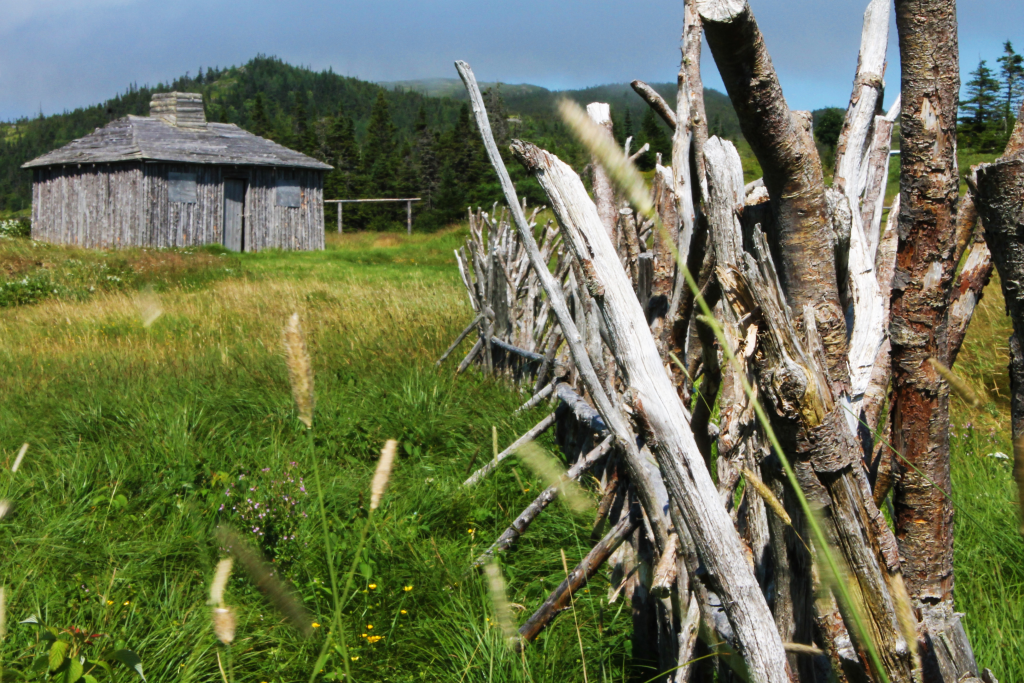
The Random Passage novel re-introduced readers to this world, inspiring a television mini-series filmed on site. The production drew on local knowledge and period details to build a village that felt—and still feels—true to place.